BrightLocal's 2026 Local Consumer Review Survey put a number on something local operators have been feeling. 45 percent of US consumers now use AI tools like ChatGPT, Gemini, and Perplexity to find local businesses. A year earlier it was 6 percent. That makes assistants the third most used source for local recommendations, behind Google and Facebook and ahead of Yelp.
The number that matters more to an operator is smaller and harder to find: how many of those recommendations reach your pipeline. Most businesses cannot answer that today, because the traffic hides by default.
Where the traffic hides
Three mechanics keep assistant referrals invisible.
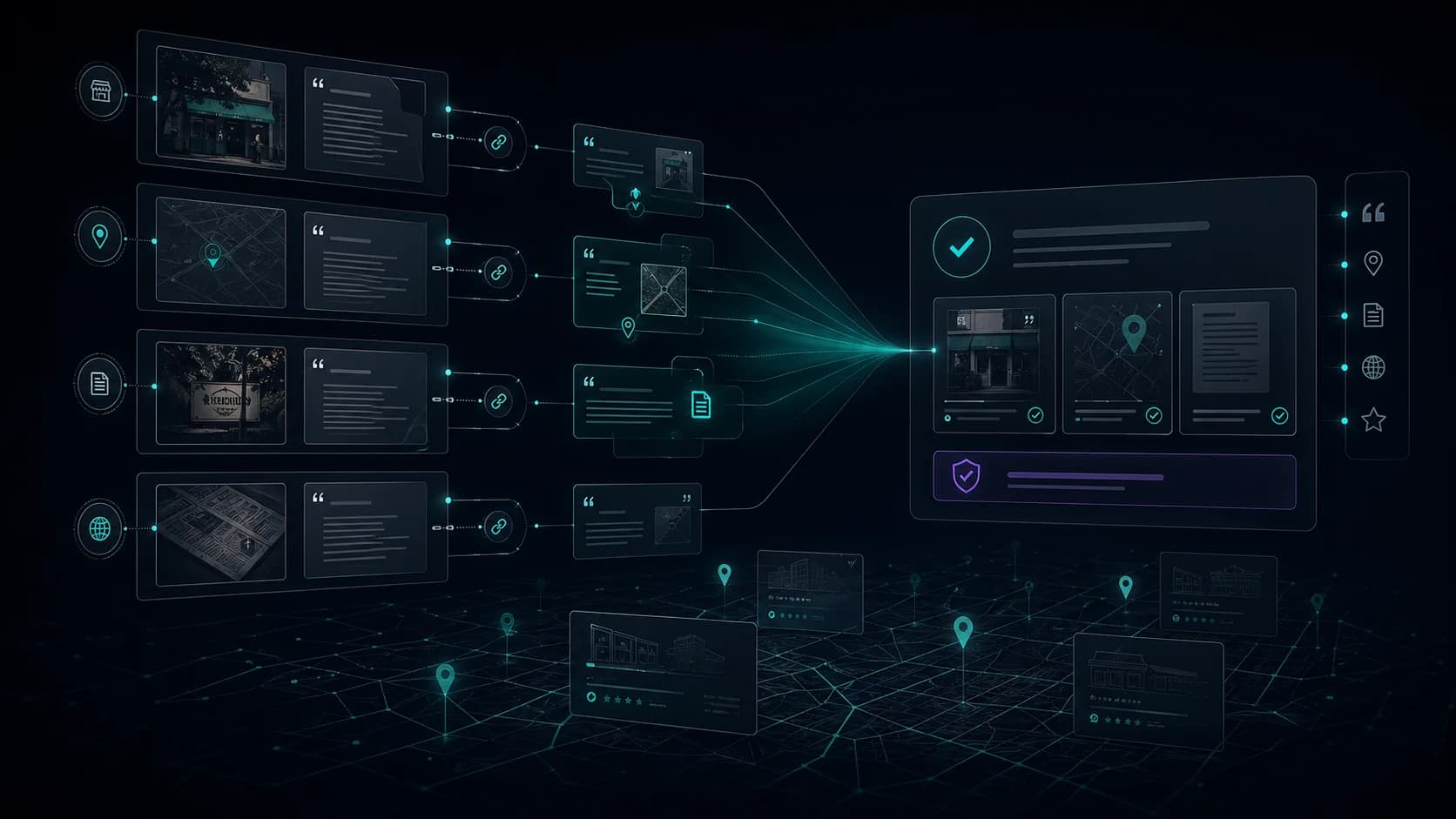
Referrers get stripped. A recommendation read inside a mobile app, or copied and pasted into a browser, arrives at your site labeled Direct. One 2026 analysis estimated that roughly 70 percent of AI-driven visits arrive without a usable referrer header.
Most citations never get clicked. A SparkToro study from January 2026 found that only 12 to 18 percent of Perplexity citations produce a visit. The assistant reads your page, names your business, and the customer acts without ever touching your site.
The customer verifies you somewhere else. BrightLocal found 88 percent of AI users fact-check the recommendation, usually against reviews. The assistant starts the decision. Your Google Business Profile and review pages finish it.
The analytics layer got easier
Google confirmed on May 13, 2026 that GA4 now groups recognized assistant referrals into a dedicated AI Assistant channel, with the session medium set to ai-assistant. The definition covers ChatGPT, Gemini, Copilot, DeepSeek, and Grok, and it rolled out to properties through early June.
Two gaps remain. Perplexity is absent from Google's definition and still lands in Referral. And the channel only counts forward from rollout, so a year-over-year report will misread as growth from zero.
A custom channel group closes the Perplexity gap. The condition is one regex on the session source:
chatgpt\.com|perplexity\.ai|claude\.ai|gemini\.google\.com|copilot\.microsoft\.comAdd Landing page as a secondary dimension on the traffic report and you also learn which pages the assistants are citing. That list is your citability scorecard.
The lead record layer
Analytics shows sessions. The business runs on inquiries, so the source data has to survive all the way to the lead record.
ChatGPT has appended utm_source=chatgpt.com to cited links since mid-2025. If your forms carry UTM parameters through to the CRM, that tag rides from the click to the lead. If they do not, the trail dies at the thank-you page.
Our own site works this way. The lead endpoint parses utm_source, utm_medium, utm_campaign, utm_content, and utm_term from every submission and stores them on the lead record in our CRM. An inquiry that starts inside an assistant arrives with its origin attached. Nothing about this is exotic. It is a field mapping most form tools support and most sites skip.
The intake question layer
Zero-click influence never shows up in either system. The fix is older than the web: ask. Put "How did you find us?" on the form or in the first call, and log the answer as its own field. When customers start saying "I asked ChatGPT," you have a signal no dashboard can give you.
What to do with the numbers
| What you see | Likely meaning | Next move |
|---|---|---|
| AI channel near zero, thin business profile | Assistants have nothing solid to cite | Fix Google Business Profile, reviews, and service pages first |
| Assistant sessions but no inquiries | Cited pages do not convert | Tighten the page's direct answer, proof, and form |
| Intake mentions AI, analytics show nothing | Zero-click influence is working | Keep public facts consistent and keep asking the question |
Expect small volume. Across 2026 traffic studies, assistant referrals typically land between half a percent and 3 percent of site visits. The same studies keep finding longer engagement and higher conversion than organic averages. A channel that small with intent that high is worth the ten minutes of setup.
Fold it into the cadence
This slots into the same operating loop as the rest of local search: check the assistant channel monthly, review the intake answers monthly, and judge the channel by booked work instead of sessions. The local SEO operating cadence already has the slots for it.
Related local resources
- SEO services
- Google Business Profile setup review
- Local SEO audit worksheet
- Local SEO operating cadence